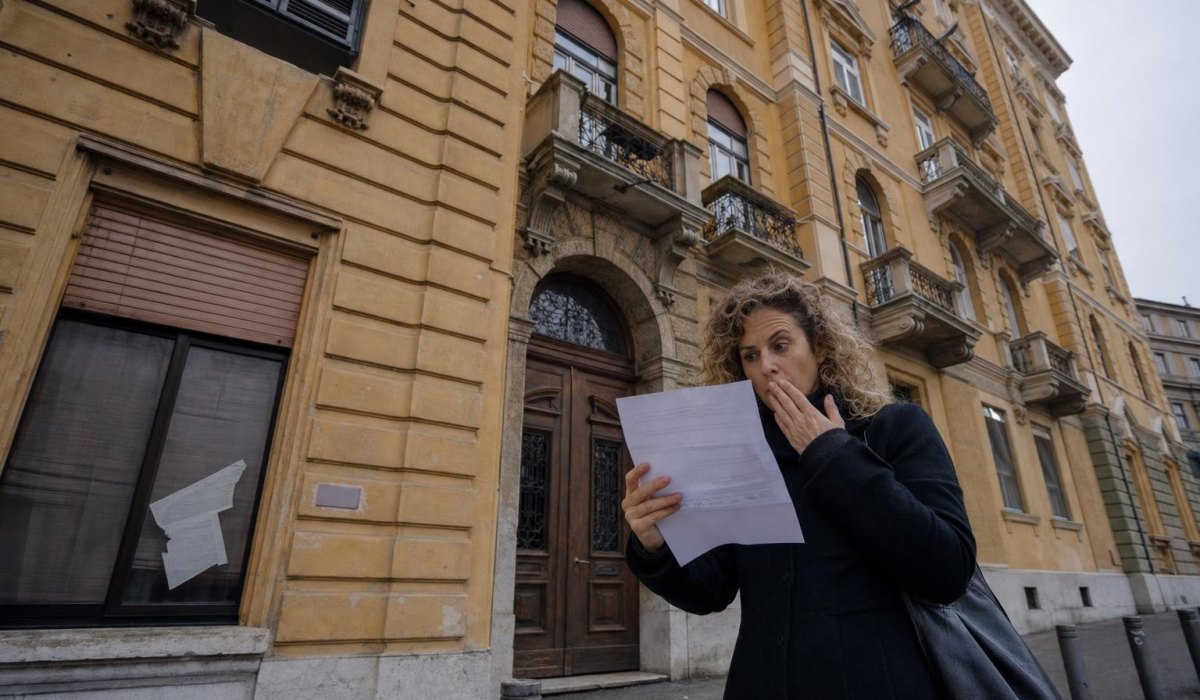
Rising rents: why does a three-bedroom flat cost 50% more than 10 years ago?
The rental market has changed its face
Anyone looking for a home to rent today faces figures that, just a decade ago, would have seemed unthinkable. A three-bedroom flat that cost 600 euros a month in 2014 can easily fetch 900 or more today. A 50% increase that is no coincidence, but the result of a series of structural factors that have profoundly transformed the rental market in Italy and, in particular, in cities such as Trieste.
Understanding the reasons behind this price surge is essential for anyone looking for a home, for anyone wishing to invest in income-generating properties, and for anyone who wants to navigate an increasingly complex market with confidence.
The main causes of rising rents
• Inflation and the cost of living
The first factor to consider is inflation. In recent years, and in a particularly accelerated way between 2021 and 2023, the consumer price index grew significantly. Rental agreements updated in line with ISTAT indices followed this trend, pushing rents upward even for properties already let, and setting higher starting prices for newly signed contracts.
• The shrinking supply of available properties
Alongside rising demand, the supply of rental housing has decreased. Many landlords chose to sell their properties, taking advantage of favourable prices in recent years, or decided to convert residential units to short-term lettings managed through tourist platforms. The result is a reduced availability of properties for traditional long-term rentals, with consequent upward pressure on prices.
• Growing urban demand
University cities, centres with an active economic fabric, and coastal or highly tourist-oriented locations have seen their resident or temporary populations increase. Trieste, with its vibrant academic community and the growth of sectors such as scientific research and the port, attracts new residents every year who fuel demand for rental housing.
• Renovation and management costs
Property owners today face management and maintenance costs far higher than in the past. Building material prices have risen considerably, service charges have increased, and the new energy efficiency standards required by European regulations demand significant investment. These costs are inevitably passed on, at least in part, to the rental price.
The concrete effects on those looking for a home
The impact of these price increases on everyday life is clear. Many families and young professionals find themselves allocating an ever-growing share of their income to rent, leaving fewer resources for other expenses. In some cases, the difficulty of accessing adequate housing at sustainable prices pushes people toward compromise living arrangements or peripheral neighbourhoods.
The most affected profiles are:
- Young workers and students living away from home, often without solid income guarantees
- Single-income families looking for three-bedroom flats in central or well-connected areas
- New residents relocating to the city for work who need accommodation quickly
How to navigate the rental market in Trieste today
In a context such as this, relying on an experienced estate agency with deep local roots becomes even more important. Rigatti has been following the rental market in Trieste for years, and can help you find the solution best suited to your needs, with transparent and professional advice.
Knowing the market is the first step toward making informed decisions. Whether you are looking for a flat to rent or want to generate income from your property, our team is at your disposal.
If you are looking for a three-bedroom flat to rent in Trieste or want to know how much your property is worth on the current market, visit our website rigatti.it or contact us directly for a no-obligation consultation.
Le fotografie inserite nella sezione VIDEO news sono indicative e/o immagini di fantasia
Condividi l'articolo